
Understanding HVAC Airflow: The Key to Comfort and Efficiency
Proper airflow is essential for HVAC performance in Phoenix homes. Discover the factors that affect air distribution and how to optimize system balance.
Understanding HVAC Airflow: The Key to Comfort and Efficiency
When most homeowners in the Phoenix Valley think about their air conditioning, they think about temperature. Is the air blowing out of the vents cold? While temperature is certainly the end goal, the mechanism that delivers that comfort is often overlooked: airflow.
You can have the coldest refrigerant cycle in the world, but if the air isn’t moving effectively through your home, you won’t be comfortable. Proper air distribution is the circulatory system of your HVAC unit. Without it, your system cannot absorb heat from your rooms or carry it outside. Understanding the dynamics of airflow and system balance is crucial for maintaining a comfortable home in Tempe, Scottsdale, or Mesa, and for keeping your energy bills from skyrocketing.
Why Airflow Is the Heartbeat of Your System
Your HVAC system operates on a simple principle of heat exchange. It pulls warm air from your home through the return vents, passes it over cold coils to absorb the heat, and then pushes the conditioned air back out through the supply vents.
If this flow is restricted at any point, the entire cycle suffers. Poor airflow doesn’t just mean a warmer house; it puts immense strain on your equipment.
- Reduced Efficiency: When air moves slowly, the system has to run longer to satisfy the thermostat. This increases your electricity usage significantly.
- Component Wear: Restricted airflow causes components like the blower motor to work harder, leading to premature failure.
- Frozen Coils: If there isn’t enough warm air blowing over the evaporator coil, the coil can drop below freezing temperature. This causes the condensation on the coil to turn into ice, which blocks airflow even further, potentially damaging the compressor.
The Science of System Balance
A healthy HVAC system relies on system balance. This means the amount of air being pulled in (Return) must roughly equal the amount of air being pushed out (Supply).
Think of your home’s air pressure like a balloon. If you blow air in without letting air out, pressure builds. If you suck air out without letting air in, a vacuum forms.
- Static Pressure: This is the resistance your blower motor has to push against. High static pressure (caused by blockages) is the enemy of efficiency.
- Negative Pressure: If your return ducts are leaking or your bedroom doors are closed without adequate return paths, your system might pull air from unconditioned spaces like the attic or garage. This pulls dust, allergens, and hot air into your living space, ruining your indoor air quality.
Common Culprits of Poor Airflow
If you notice weak flow from your registers, several factors could be to blame.
1. The Dirty Air Filter
This is the most common—and easiest to fix—cause of airflow issues. The job of the air filter is to protect the HVAC equipment from dust. However, as it does its job, it clogs up. A dirty filter acts like a brick wall in your ductwork. The blower motor has to strain to pull air through it, drastically reducing the volume of air circulating in your home.
2. Blocked Vents and Registers
Furniture placement plays a surprising role in HVAC performance. A couch placed over a return vent or a heavy rug covering a supply register can suffocate your system. Ensure all vents have at least a few feet of clearance to allow for proper ventilation and mixing of air in the room.
3. Leaky or Crushed Ducts
In many Arizona homes, flexible ductwork winds through hot attics. Over time, these ducts can develop leaks, become disconnected, or get crushed by someone crawling in the attic.
- Leaks: If your supply duct has a hole, you are paying to air condition your attic while your living room stays hot.
- Kinks: Sharp bends or crushed sections in flexible ducts restrict flow, similar to stepping on a garden hose.
4. Dirty Evaporator Coils
Even if you change your filter regularly, some dust eventually gets through. Over years, this dust can cake onto the damp evaporator coil inside the unit. This layer of grime insulates the coil (preventing heat transfer) and physically blocks the spaces between the fins that air is supposed to pass through.
The “Closing Vents” Myth
One of the most persistent myths in home ownership is that closing vents in unused rooms saves money. The logic seems sound: “Why cool a room I’m not using?”
However, residential HVAC systems are not designed to work this way. They are designed to move a specific volume of air against a specific amount of pressure. When you close vents, you aren’t telling the unit to produce less air; you are simply increasing the pressure in the ductwork.
- Increased Leaks: The added pressure forces more air out of any tiny leaks in your ducts.
- Blower Strain: Modern variable-speed motors will ramp up their speed to try and overcome this resistance, using more electricity, not less.
- Frozen Coils: Reducing airflow too much can lead to the freezing issue mentioned earlier.
For proper system balance, keep those vents open.
Signs You Have an Airflow Problem
How do you know if your Phoenix home is suffering from poor air distribution? Look for these symptoms:
- Hot and Cold Spots: One room is freezing while another is sweltering. This usually indicates an imbalance in the duct design or a blockage.
- Whistling Noises: If you hear a high-pitched whistle from your vents, it often means the air velocity is too high because other vents are closed or the ductwork is undersized.
- Doors Slamming: If a bedroom door slams shut or is difficult to open when the AC turns on, it suggests there isn’t enough return air in that room, creating a pressure imbalance.
- Weak Flow: Put your hand up to the register. If the air feels like a gentle breath rather than a steady breeze, something is wrong.
How to Optimize Your Air Distribution
Maintaining good airflow is a mix of DIY care and professional oversight.
- Change Filters Monthly: During the heavy use summer months in Gilbert and Chandler, check your filter every 30 days.
- Check Your Vents: Walk through every room and ensure no curtains, bookshelves, or toys are blocking the airflow.
- Use Ceiling Fans: Fans don’t lower the temperature, but they improve air mixing. This helps eliminate stagnant pockets of hot air and makes the room feel cooler, allowing you to set the thermostat a degree or two higher.
How Shamrock Can Help
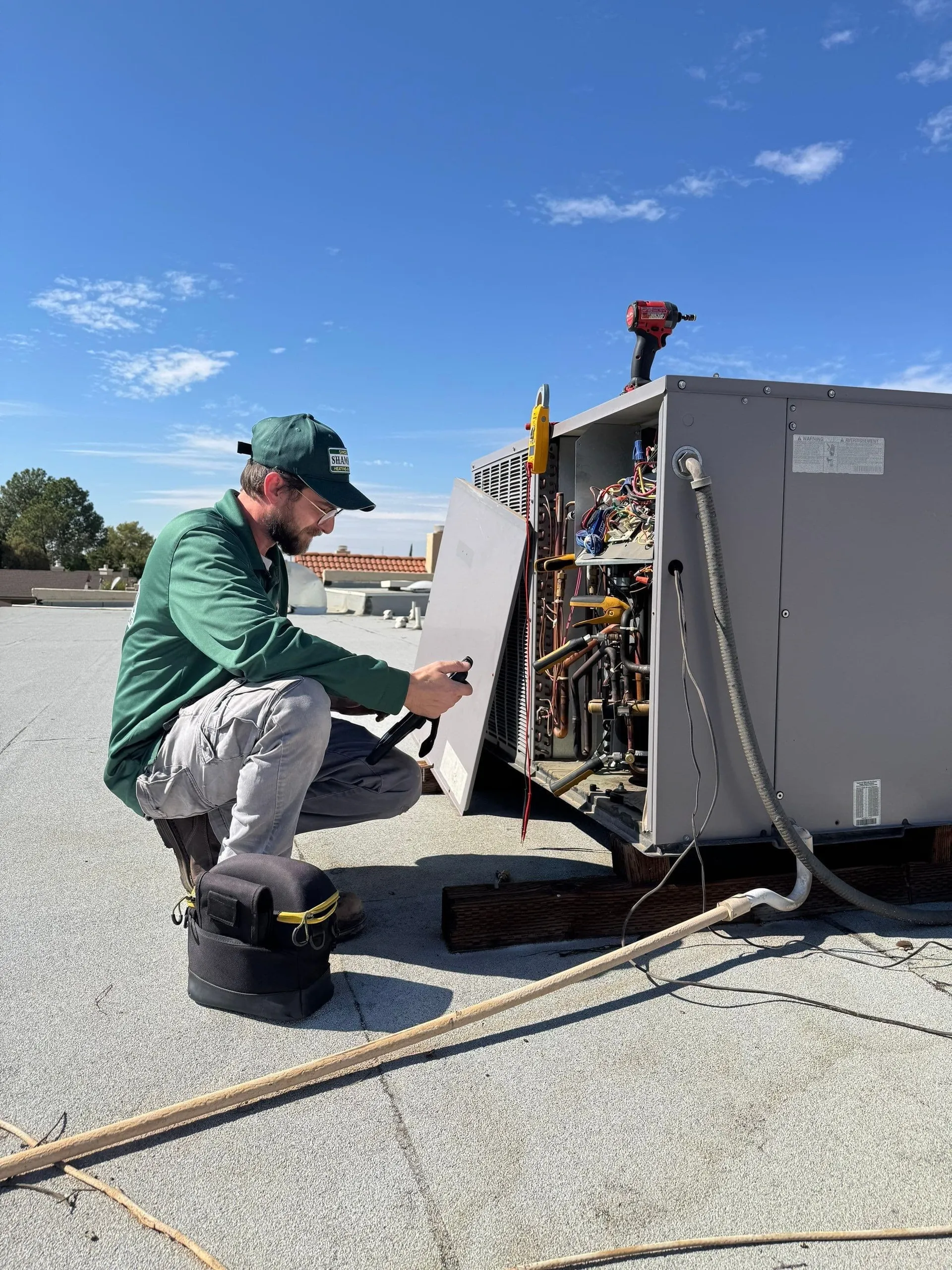
Diagnosing airflow problems often requires tools that go beyond the average homeowner’s toolkit. At Shamrock Heating & Cooling, we specialize in comprehensive system diagnostics.
When you schedule an AC Tune-up, we don’t just check the refrigerant; we check the airflow. We can measure the static pressure of your system to determine if it is “breathing” correctly. If we find issues, we can recommend solutions ranging from AC repair for mechanical issues to modifying ductwork to relieve pressure bottlenecks.
For homes with severe dust issues clogging their flow, we can also discuss Indoor Air Quality solutions like air scrubbers that keep the internal components clean and the air moving freely.
Don’t let your system suffocate. Ensure your home is balanced, efficient, and comfortable all year long.
Trust our expert technicians for all your heating and cooling needs.
Need HVAC Help? We’re Here to Help.
Schedule service with Shamrock Heating & Cooling for fast, reliable comfort.
Schedule Service